
"coffee root pests"
300 article(s) found

The importance of coffee shade trees the benefits of coffee shade trees
Professional coffee knowledge exchange more coffee bean information Please pay attention to the importance of shade trees in coffee in the coffee workshop (Wechat official account cafe_style) in this era of climate change, shade trees are undoubtedly very important in coffee cultivation. Their umbrella awnings provide shade, relieving the high temperatures and pressures that lead to miscarriage of flowers and fruits. The shade also provides a lot of its

Strong Java Coffee Flavor description method introduction to the price of high-quality coffee beans
Java produces only a small amount of Arabica beans, most of which were imported from Africa after the rust disaster. This coffee has a strong bitter taste after roasting, but the aroma is extremely light. Although the acidity is low and the taste is delicate, it is rarely used for direct drinking. It is often used to mix mixed coffee or to make instant coffee. Diseases and insect pests are really a powerful thing, it makes Pakistan

Is Arabica really more advanced than Robusta?
Professional baristas Please follow the Coffee Workshop (official Wechat account cafe_style) I believe many friends have seen a piece of news: Arabica is on the verge of extinction. The main idea of the news is that due to climate reasons, wild Arabica will become extinct in the wild in 2080, that is to say, there will be no delicious coffee to drink. So the question is, why?

Yunnan small Coffee with long aftertaste brief introduction of planting Market Price of Fine Coffee Bean varieties in Huaguoshan
Typica: the oldest native variety in Ethiopia and southeastern Sudan. All Arabikas are derived from Tibika. The flavor is elegant, but the physique is weak, the disease resistance is poor, the fruit yield is less. Excellent manor beans such as the Blue Mountains of Jamaica, Manning of Sumatra and Kona of Hawaii all belong to Tibika. The top leaf of Tiebika is red copper, which is called red top.

What are the varieties of small-grain coffee beans? Yunnan small-grain coffee brand flavor taste Huaguoshan introduction
This species is the most widely cultivated species in the genus Coffea. Because of its strong cold resistance and short-term low temperature resistance, it can grow on a mountain at an altitude of 2100 meters in the tropics, but is not resistant to drought; the branches are fragile and not resistant to strong wind; the disease resistance is relatively weak; the fruit is easy to fall off after ripening; after processing, the coffee has a low flavor and caffeine content. 1, sexual reproduction is a performance to obtain a large number of seedlings.

The grinding scale of the strong Java coffee beans, the variety of the estate, the introduction of the processing method of the production area
Java produces only a small number of arabica beans, most of which are romsda beans imported from africa after the rust disaster. This coffee has a strong bitter taste after roasting, but the aroma is extremely light. Although the acidity is relatively low and the taste is relatively delicate, it is rarely used for direct drinking. It is often used to blend coffee or to make instant coffee. Pest is such a powerful thing, it makes

Flavor description of Yunnan Tieka Coffee Bean introduction to the characteristics of varieties produced in the manor area
The so-called new variety of Yunnan Tieka coffee beans actually refers to catimor (Katimo), which is a hybrid of timor and Arabica from the Roberta family. Compared with the old varieties, it lacks rich aroma and taste, and has a relatively shallow smell of grass and soil, but it has the advantages of resistance to diseases and insect pests, easy to manage, high yield and the highest yield per mu can reach 350kg.
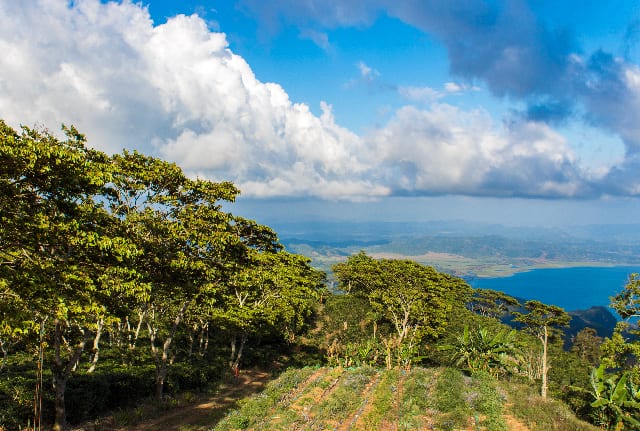
[coffee planting] how should coffee producers deal with unexpected weather conditions?
Professional coffee knowledge exchange more information about coffee beans Please follow the coffee workshop (official Wechat account cafe_style) in early July this year, coffee producing areas in Brazil were hit by frost. Coffee crops are being harvested, but weather conditions are expected to have an impact on next year's yield. When frost strikes, you can hardly protect your crops. But there are ways to deal with other unexpected days.

Coffee planting zone and climate coffee tree planting environment and coffee growing area
Professional coffee knowledge exchange more coffee bean information Please pay attention to the coffee workshop (Wechat official account cafe_style) Coffee trees grow in the tropics between the Tropic of Cancer and the Tropic of Cancer and near the equator, also known as the world coffee growth belt, caffeine varieties and regional factors, there are also great differences in appearance. The color of leaves ranging from yellowish green to dark green or even brass.

How to describe the flavor and taste of Yunnan small-grain coffee planting technique
Yunnan small grain coffee planting technology how to brew flavor describes the taste of the brand effect of the first village of coffee in China, and actively expand the demonstration coffee tourism project. At present, with the help of relevant departments, Xinzhai has developed a walk through coffee forests, bicycles around 10,000 mu of coffee land, etc., Xinzhai village has also built a coffee square, coffee street is also under construction. Some open-minded ones

Indonesia Java Coffee Flavor description Variety characteristics of High-quality Coffee beans
Java produces only a small amount of Arabica beans, most of which were imported from Africa after the rust disaster. This coffee has a strong bitter taste after roasting, but the aroma is extremely light. Although the acidity is low and the taste is delicate, it is rarely used for direct drinking. It is often used to mix mixed coffee or to make instant coffee. Diseases and insect pests are really a powerful thing, it makes Pakistan

Who is more advanced, Arabica or Robusta? The difference between Arabica Coffee and Robusta
Professional coffee knowledge exchange more coffee bean information please follow the coffee workshop (Wechat official account cafe_style) Front Street Coffee Guatemalan Coffee | Polsa Pacamara | Rosa 2018 Panamanian Emerald Manor Red Standard Sun | Blue Standard Water washing | Green Standard Sun I believe many friends have seen the news: Arabica is on the verge of extinction. The main idea of news is that it is made up of
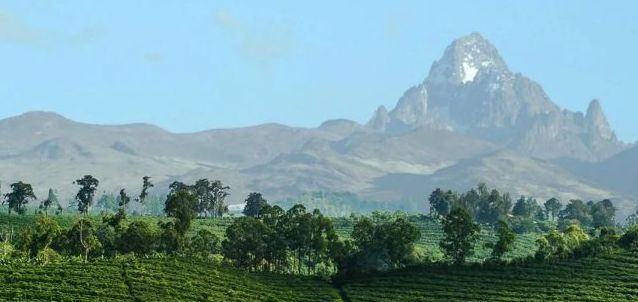
Flavor and History of African Kenyan Black Tea Garden
History of tea in Kenya in 1903, in the small town of Limuru in central Kenya, the Englishman G.W.L.Caine planted a tea tree to beautify his courtyard, and the tea took root at an altitude of 2100 meters above sea level in Mount Kenya. Later, Ying

The light flavor of Java coffee describes the treatment method of grinding degree and the degree of baking in the manor area.
Java produces only a small amount of Arabica beans, most of which were imported from Africa after the rust disaster. This coffee has a strong bitter taste after roasting, but the aroma is extremely light. Although the acidity is low and the taste is delicate, it is rarely used for direct drinking. It is often used to mix mixed coffee or to make instant coffee. Diseases and insect pests are really a powerful thing, it makes Pakistan
What is a shaded coffee tree? What are the effects of the benefits of shaded coffee on the flavor characteristics of coffee beans
Coffee grown in the shade is grown under the canopy of tall trees, which provide shade. Traditionally, coffee has been grown in this way under the canopy of a natural forest, which has many benefits. However, pressure to increase crop yields has led some coffee crops to grow under reduced shading and / or direct sunlight, which requires greater use of pesticides and non-

Katim Coffee Bean Grown at Low Altitude History and Culture
Katim, as a breed that has taken root in Yunnan, I love and hate it. Although it had many shortcomings and was not suitable for high-altitude cultivation, there was still a lot of room for improvement, and it was getting better and better. How to discover more of its advantages and take advantage of it is the most important. In the domestic circle of popular light baking pursuit of sour aroma and sweet taste

Introduction to the Flavor description treatment method of Robastian Coffee Bean Variety characteristics
Boutique coffee beans are originated in the Congo, which accounts for 20% 30% of the world's output. It is suitable for lowlands below 500 meters. It has strong adaptability to the outside world, can resist bad climate, resist diseases and insect pests, and can be allowed to grow in the wild. It is a kind of coffee tree that is easy to cultivate. It is generally used to make instant coffee Robasta coffee tree originating in the Congo of Africa.

Rich aroma of Guava Coffee Flavor Manor area introduces boutique coffee beans
Java produces only a small amount of Arabica beans, most of which were imported from Africa after the rust disaster. This coffee has a strong bitter taste after roasting, but the aroma is extremely light. Although the acidity is low and the taste is delicate, it is rarely used for direct drinking. It is often used to mix mixed coffee or to make instant coffee. Diseases and insect pests are really a powerful thing, it makes Pakistan

Rich and perfect Indonesian Java Coffee Flavor Manor characteristics of Indonesian boutique Coffee
Java produces only a small amount of Arabica beans, most of which were imported from Africa after the rust disaster. This coffee has a strong bitter taste after roasting, but the aroma is extremely light. Although the acidity is low and the taste is delicate, it is rarely used for direct drinking. It is often used to mix mixed coffee or to make instant coffee. Diseases and insect pests are really a powerful thing, it makes Pakistan

Yunnan coffee bean characteristic taste flavor description characteristic variety production area taste grinding scale
Yunnan coffee bean characteristic taste flavor description characteristic variety production area taste grinding scale the so-called new variety actually refers to catimor (Katimo), which is a hybrid of the timor species of the Roberta family and Arabica, which lacks rich aroma and flavor compared with the old varieties, and has a relatively shallow smell of grass and soil, but its advantages are disease resistance and easy management.